Jinsi Iron Wire · Longquan Ge Kiln - The Millennium Beauty of Intangible Cultural Heritage
The Five Famous Kilns of Song Dynasty - Ge Kiln, a millennium old intangible cultural heritage, is hidden in the deep mountains of Longquan, with golden and iron wires as its soul pattern.
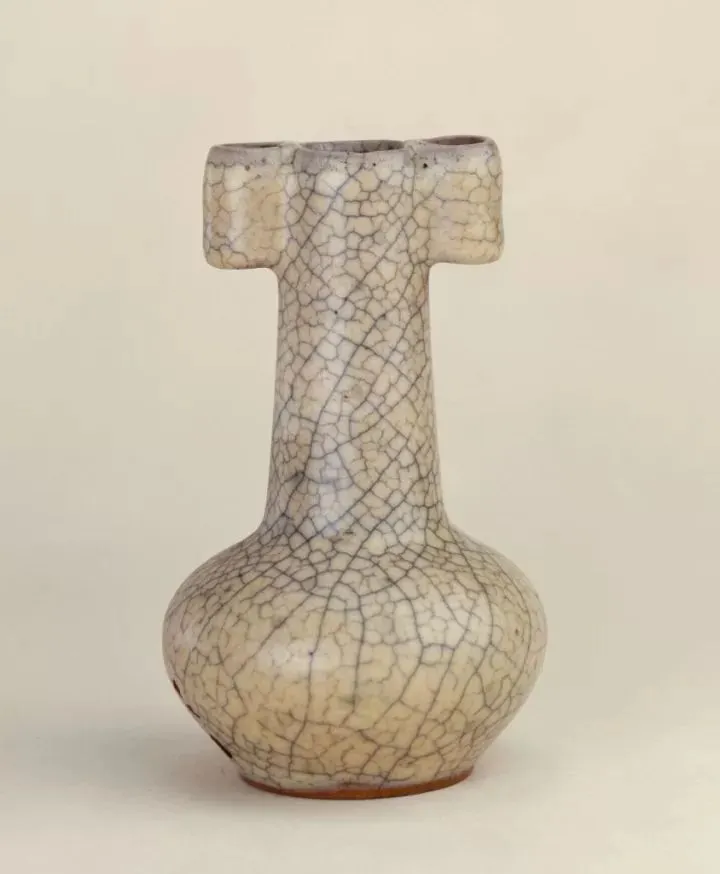
The glazed surface is cracked, with black patterns like iron and gold wire like a net, purple mouth and iron feet, warm and moist like ancient jade. The ancient method of firing for thousands of years requires a perfect balance of fire, and the opening of the pot relies entirely on natural craftsmanship. The inheritors of intangible cultural heritage will persist throughout their lives, restore lost skills, and ensure that the charm of Song Dynasty will never fade.

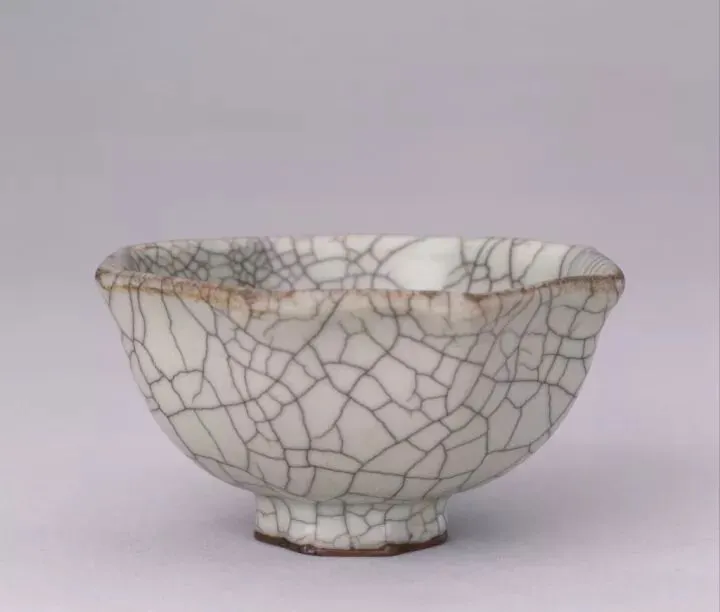
Historical Origins
Longquan Ge Kiln is one of the five famous kilns of the Song Dynasty, which is said to have been founded by Zhang Shengyi in Longquan, Zhejiang during the Southern Song Dynasty. It pushed the porcelain making process to its peak, known for its thick black glaze and natural cracking.

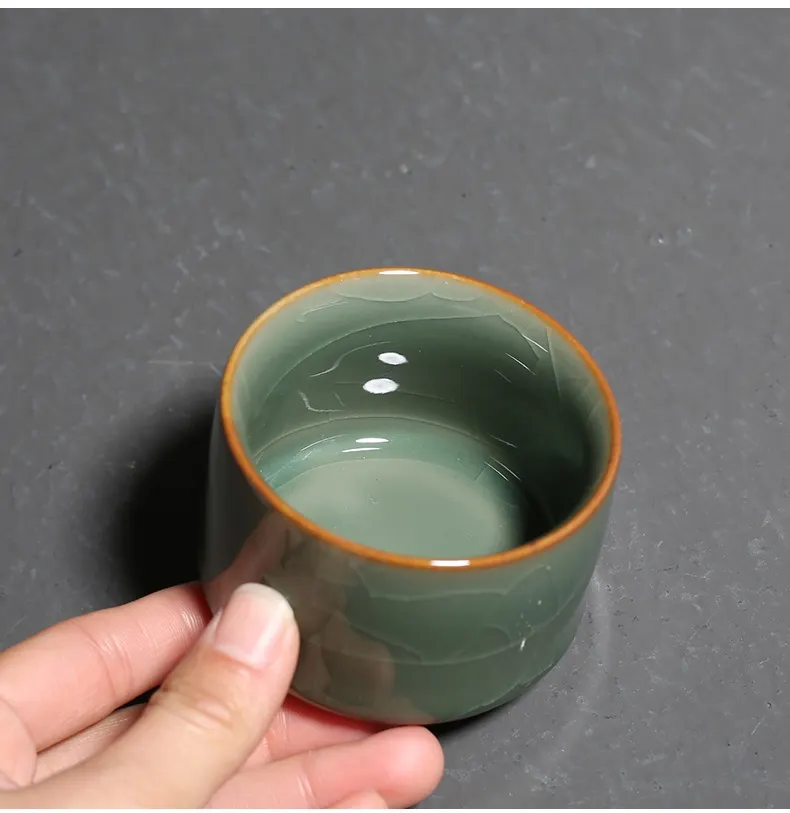
Core Features
Golden wire and iron wire
Due to the different coefficients of expansion of the glaze, the glaze surface naturally cracks during cooling. The large pattern pieces are dark brown like "iron wire", while the small pattern pieces are yellow brown like "gold wire", forming a unique interlocking beauty.

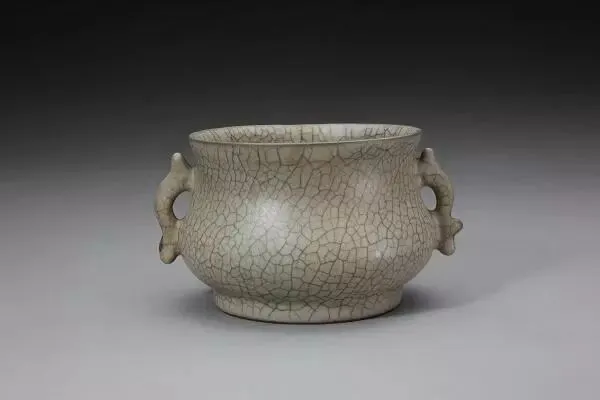
Purple mouth and iron foot
Using purple gold soil with high iron content as the tire. The thin glaze on the edge of the mouth reveals a dark purple color, while the exposed base of the foot appears iron brown, which is an important basis for identifying its authenticity.

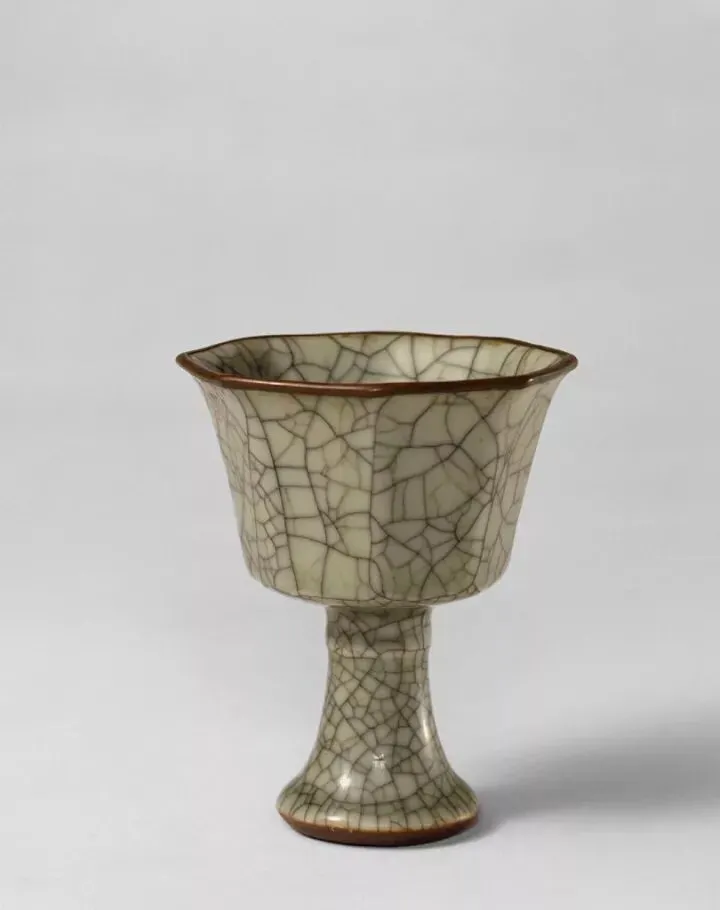
Gathering foam and accumulating beads
The glaze layer is plump and dense with bubbles, gathering like pearls under a high-power magnifying glass. This structure scatters light, giving the glaze a moist and creamy sheen.

Market Value
Less than a hundred complete artifacts have been passed down through generations, mostly housed in top museums. In recent years, the auction market has repeatedly achieved good results, with a Ge kiln sunflower style three legged wash from the Southern Song Dynasty to the Yuan Dynasty sold for about 11.35 million yuan.
What are the famous kiln sites in Longquange?
According to recent archaeological excavations and expert evidence, one of the five famous kilns of the Song Dynasty recorded in literature, "Ge Kiln," is located in Longquan, Zhejiang. The core kiln sites are mainly concentrated in the southern area of Longquan, with the specific distribution as follows:
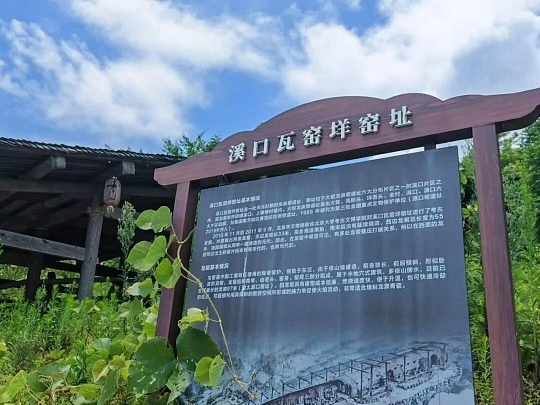
Xikou Wayaoyang Kiln Site
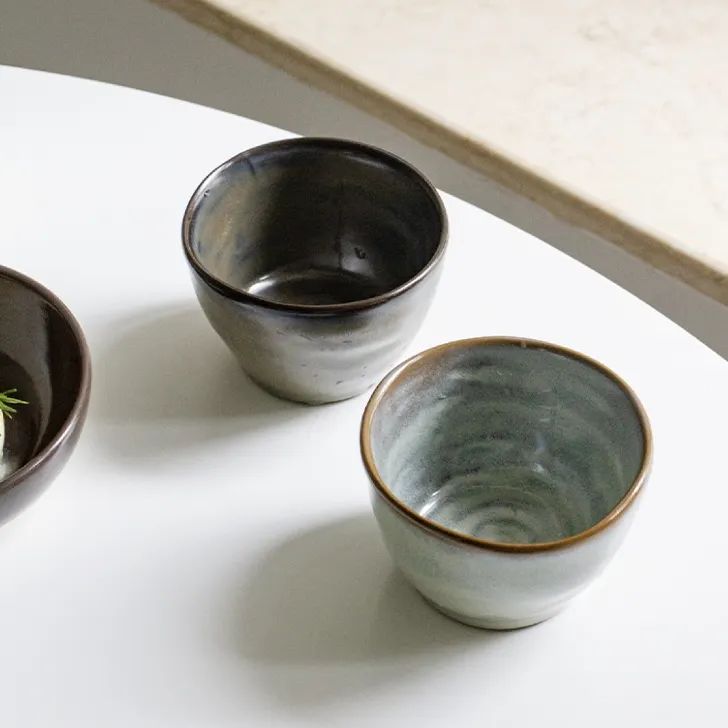
Located in Xikou Village, Chatian Town, it was officially recognized as the core site of the Song Dynasty's "Ge Kiln" in 2012. The kiln site mainly produces black bodied celadon from the Southern Song Dynasty, which has typical "purple mouthed iron feet" and natural cracking characteristics. The unearthed artifacts include round mouthed cups, octagonal plates, as well as bronze like ritual vessels such as tripod furnaces and bottle furnaces.


Xiaomeiwa Kiln Road Kiln Site
Located in Xiaomei Town, it is a characteristic kiln farm that almost exclusively burns black tire products. Its product is known as the "Xiaomei type" of Longquan black body celadon, with a clear identification of black body thin glaze and fine hundred garbage fragments. The artifacts are mostly imitations of bronze ritual vessels and furnishings from the Shang and Zhou dynasties, fully inheriting the craftsmanship logic of the Northern Song official kilns. They are a key node in the southward transmission of porcelain making techniques in the imperial court after the Southern Migration.


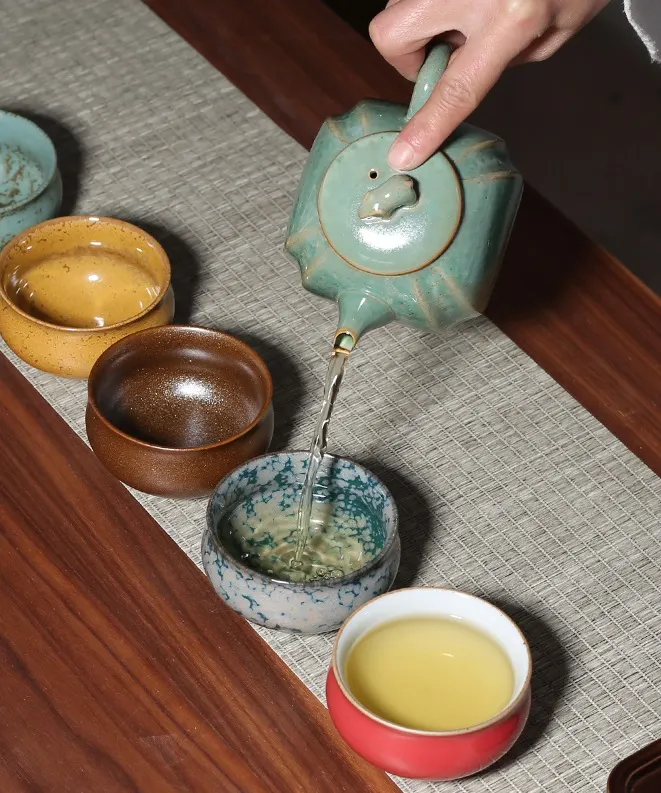
Core area of Dayao
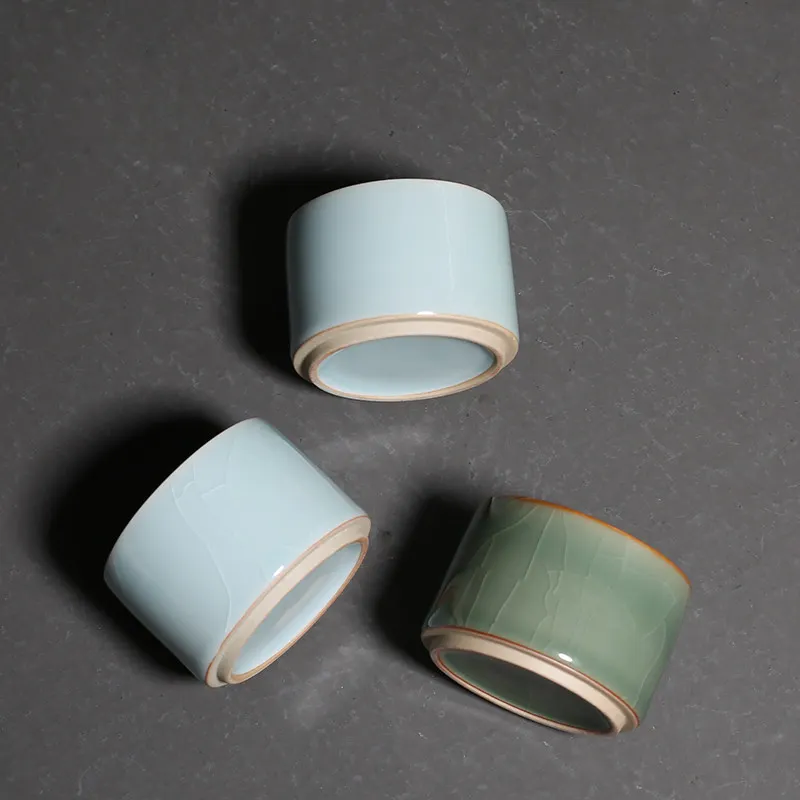
The Dayao area was the central production area during the heyday of Longquan Kiln. In addition to the main fired white body thick glazed celadon, a large number of black body celadon specimens have also been found at kiln sites such as Shanshulian Mountain and Tinghou Mountain in Dayao, confirming that this is also an important production area of Ge kiln recorded in literature.

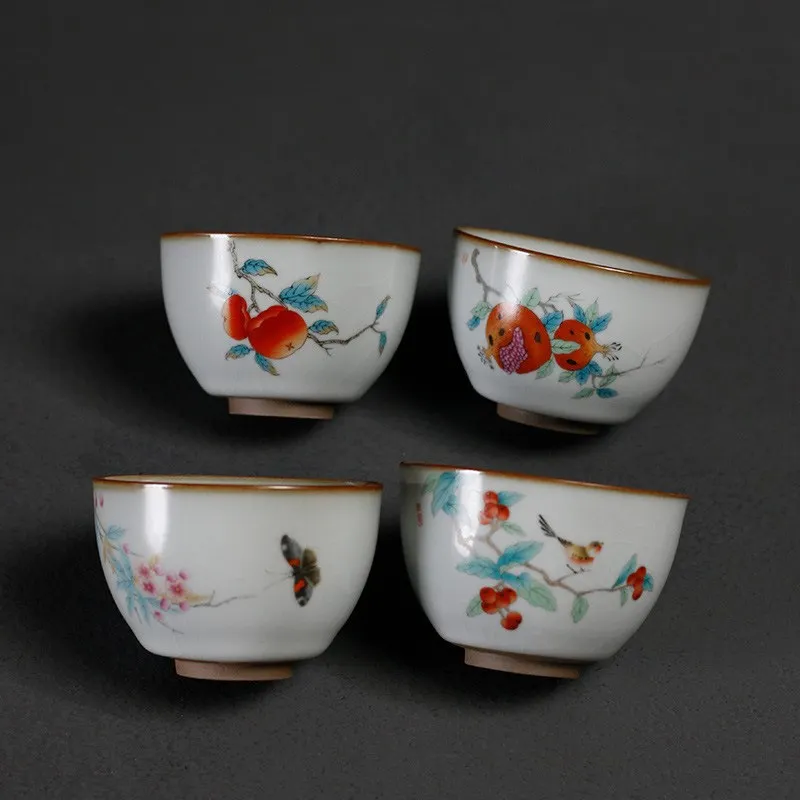
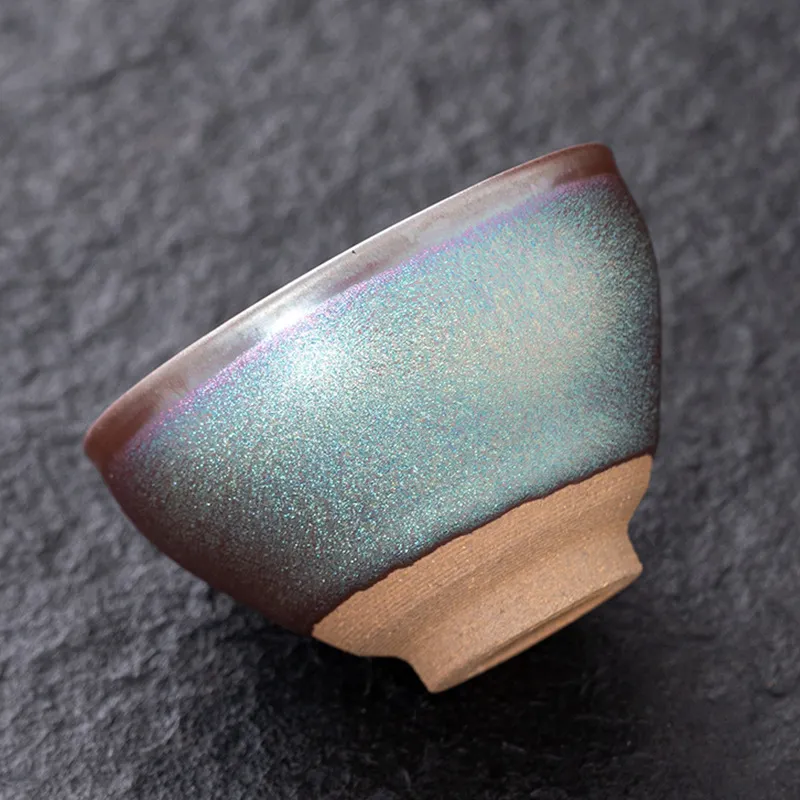
The artistic value of Longquange Kiln
As one of the five famous kilns of the Song Dynasty, Longquange Kiln's artistic value is not only reflected in its highly mature porcelain making technology, but also in its ability to condense the aesthetic pursuit of Song literati, who valued quality, authenticity, and natural subtlety, into their objects. It is an important milestone in Chinese ceramic aesthetics.

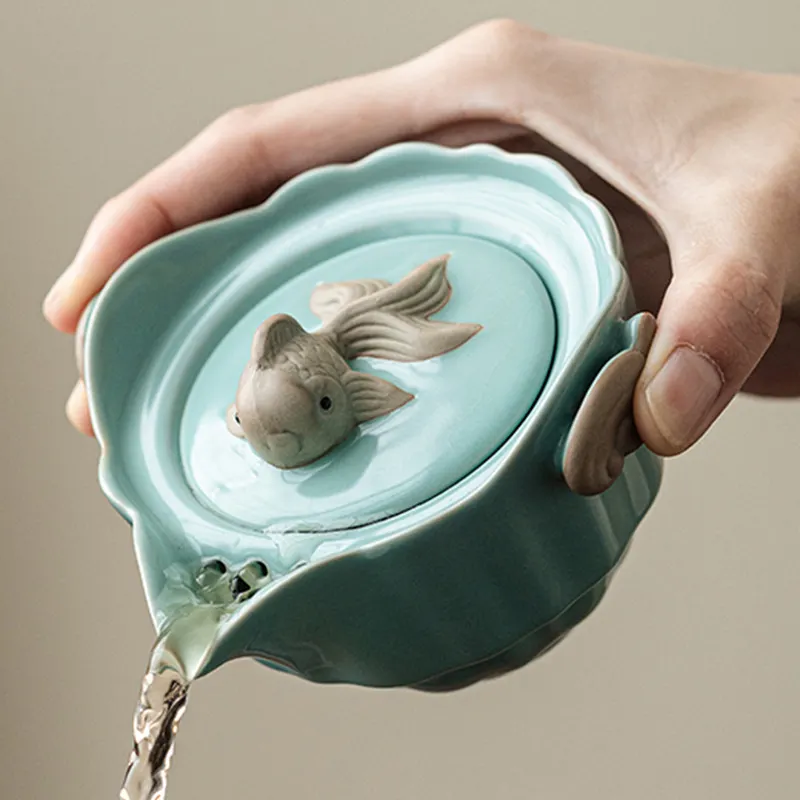
Glaze Aesthetics - The Blue Glaze Realm of "Crispy and Smooth Like Jade"
Ge Kiln has created a unique black body thick glaze process with multiple times of firing and glazing, and the glaze layer thickness can reach several times that of ordinary celadon. The glazed surface is opaque and warm, presenting a jade like butter light, abandoning the pursuit of gorgeous transparent glass glaze since the Tang Dynasty, and pushing celadon to the peak of literati's interest in "thousand peaks of emerald color sinking into glaze, a heart of ice in the jade pot".
Opening Aesthetics - Philosophical Expression of "Defect is Beauty"
Natural cracking was originally a process flaw caused by stress imbalance during cooling, but it was elevated by the Song Dynasty to a unique decorative language of "gold wire and iron wire". The coarse and deep iron wires are interwoven with fine and intricate gold wires, and the texture of each object's opening is completely identical, which is in line with the Taoist concept of "great self is as clumsy as nature", and has pioneered the use of "incompleteness" as beauty in ceramic decoration.
Styling Style - Antique Ritual Vessels and Simple Style
Typical types of vessels are mostly through ear vases, cong style vases, li style stoves, sunflower washers, etc., imitating the shapes of bronze and jade ritual vessels from the Shang and Zhou dynasties. The contour lines are refined and straight, and there are very few additional plastic decorations. This minimalist style of "de decoration" perfectly fits the Song Dynasty literati's admiration for ancient rituals and their restrained and elegant collection and display taste.

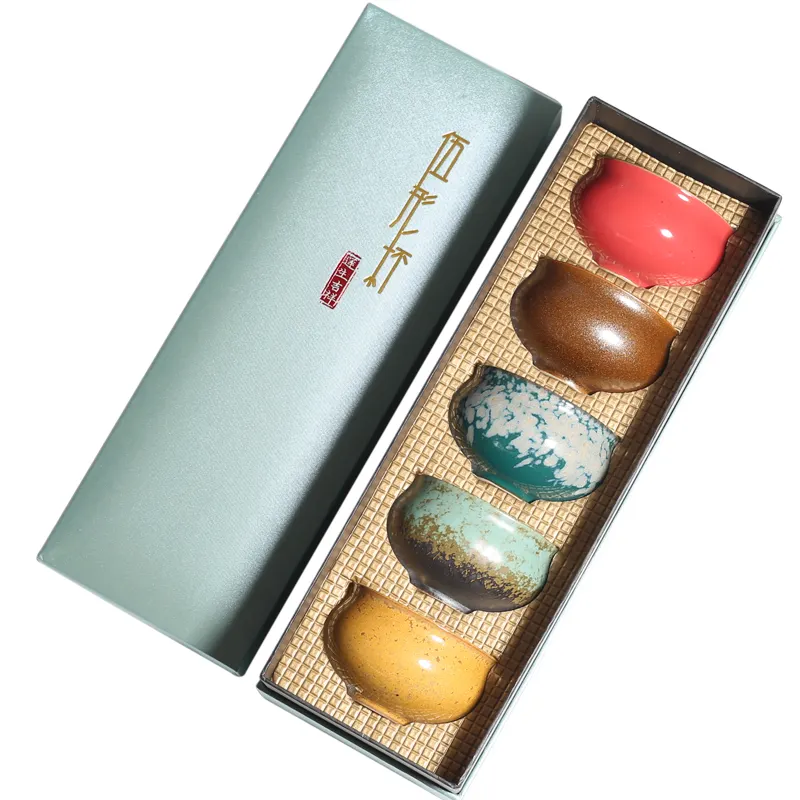
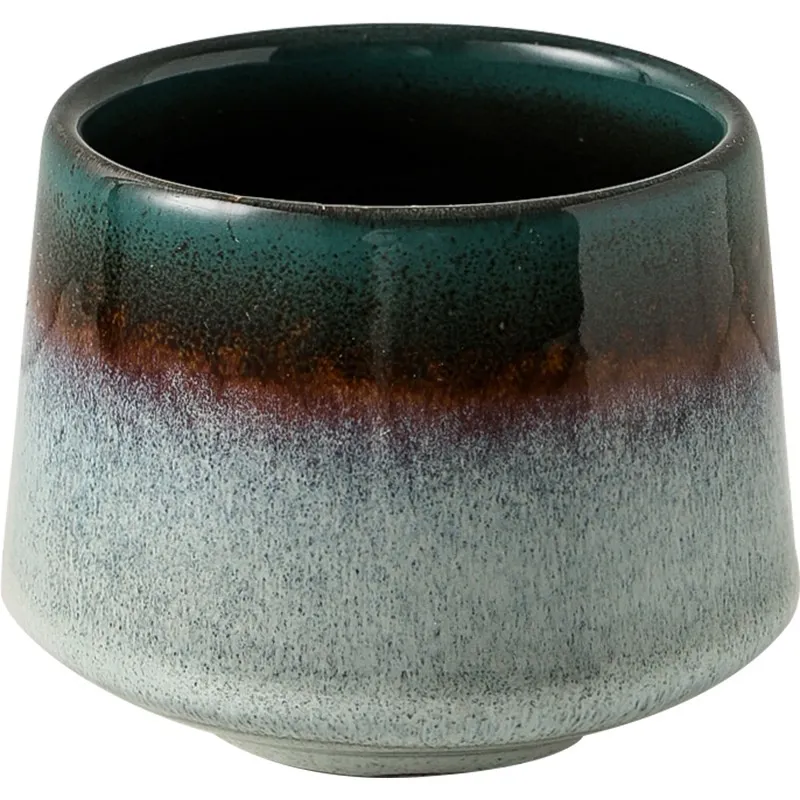
Unique Craftsmanship - Identification Symbol for Black Tire Purple Mouth Iron Feet
The Ge kiln uses high-speed railway purple gold clay as the base, and after firing, the base color is dark gray and almost black. The glaze at the mouth is thin and shows purple brown (purple mouth), and the exposed base of the base is iron brown (iron foot). This feature is not only a basis for identification, but also deliberately preserved as an aesthetic element, allowing the object to still exude a stable bone strength under the cover of green glaze, forming a special visual tension of "enamel wrapped iron bone".
Cultural Status - A Bridge Connecting Official Kilns and Literary Aesthetics
Longquan Ge Kiln inherits the genes of the Northern Song Dynasty official kiln in terms of craftsmanship, and incorporates the local Longquan glaze formula, which is a key evidence of the southern transmission of porcelain production in the Southern Song Dynasty court. It is one of the five famous kilns alongside Ru, Guan, Jun, and Ding, with less than a hundred complete artifacts passed down through generations. Many of them are housed in top institutions such as the Palace Museum and the British Museum, becoming a symbol of the "elegant culture of the Song Dynasty" in the collection and art history research of later generations.
More reading, and welcome to focus on: adawe-store.com


The artistic value of Longquange Kiln is the concentrated projection of the Song Dynasty's "elegant culture" on the material level, which includes the sensory beauty of thick jade glaze, the philosophical beauty of gold wire and iron wire cracking, the aesthetic beauty of antique and simple shapes, and the artistic value of purple mouthed iron feet.
ReplyDelete