The Story of Chinese fragrance culture - Joss Stick
In China, the handmade incense making techniques of many places have been included in the list of intangible cultural heritage. They are not only the inheritance of skills, but also a vivid portrayal of regional culture, history, and lifestyle.
Representative of Huaxia National Intangible Cultural Heritage
1. Traditional Fragrance Making Techniques in Qingyuan, Hebei Province
The history of incense making in Qingyuan can be traced back to the Han Dynasty, as evidenced by the discovery of the wrongly gilded Boshan furnace from the tomb of Prince Jing Liu Sheng in Zhongshan. This technique was selected as a national intangible cultural heritage in 2021. Yang Jinqing, the inheritor, established a fragrance factory based on his ancestral business during the early stages of reform and opening up. In 1988, he developed the first batch of "Xianzi Xiang" and exported it to Japan. Its products have been exported to Europe, America, Japan, South Korea, and Southeast Asia, with a cumulative export of over 40 million boxes, truly realizing the saying 'wherever there are Chinese people, there is Chinese fragrance culture'.
2. Fujian Yongchun Fragrance Production Techniques
Yongchun Fragrance, commonly known as the "Yongchun Hankou Divine Fragrance", is the crystallization of the intersection of Chinese and foreign civilizations on the Maritime Silk Road. Its craftsmanship originated from the late Ming and early Qing dynasties, and was developed by the Pu family, descendants of Arab spice merchants who settled in Quanzhou. They integrated and improved Arab fragrance making techniques with traditional Chinese fragrance culture, and have been passed down to the tenth generation to this day. Nowadays, Yongchun County has nearly 300 fragrance making enterprises with over 30000 employees. In 2020, the total output value of the entire industry chain reached 10.2 billion yuan, earning it the title of "China's Fragrance Capital". One out of every three fragrances in the world is produced here.

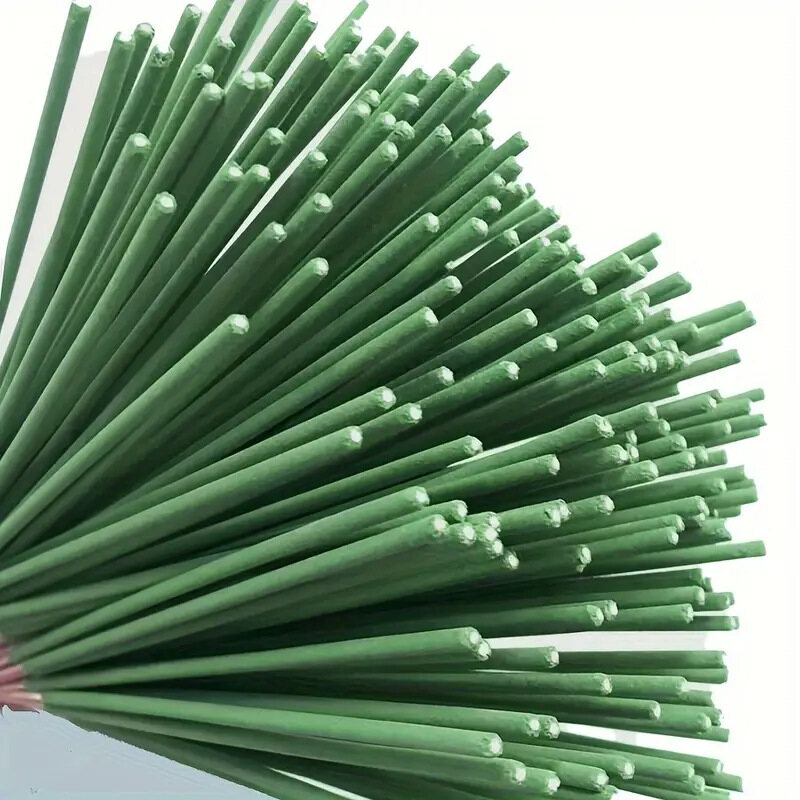
Huaxia Provincial Intangible Cultural Heritage Charm
1. Craftsmanship of Yunxiang in Jiaocheng, Shanxi
This provincial-level intangible cultural heritage has a history of about 400 years and originated in the Ming Dynasty. According to legend, during the reign of Chongzhen, the incense making family in Daying Village, Jiaocheng, congratulated Prince Ninghua on his birthday by using incense sticks to create a "longevity" character pattern. After lighting it, the green smoke hovered like clouds, hence the name "Yunxiang", which gradually became an indispensable cultural symbol for local Mid Autumn Festival reunions. The core of the technique lies in handcrafting incense sticks, and the inheritor can create more than ten auspicious words such as "fu, lu, shou, xi" by blowing incense sticks in one breath without the need for molds.
2. Guangdong Xiaogangxiang production techniques
Originating from the Ming Dynasty, it has a history of over 600 years and its biggest feature is the handmade bamboo stick fragrance. The production requires more than ten processes, including bone making, powder grinding, powder mixing, powder rolling, fragrance rubbing, fragrance scraping, air drying, and coloring. Xiaogang Xiangye used to be the main source of income for local families, but it is still a pillar industry in Shuangshui Town, providing a large number of employment opportunities.
3. Jiangxi Fenyi Medicinal Fragrance Production Techniques
Taking traditional Chinese medicine theory as the core, strictly following the essence of compatibility of "Jun, Chen, Zuo, and Fu". Its history can be traced back to the Tang Dynasty, and it was inherited by the ancestors of the Han family during the Ming Hongzhi period until now. The production process includes eight major techniques, including boiling, grinding, kneading, rubbing, drying, rolling, and cellaring, with a total of more than 20 fine crafts. It is a wisdom crystallization that integrates folk customs and traditional Chinese medicine health preservation.
4. Production Techniques for Incense Products in Chang'an, Shaanxi
Originating from Tianwang Village, Yinzhen Street, Chang'an District, Xi'an City, it has been passed down for eight generations. The eighth generation inheritor Qu Wei not only established the Fragrant Culture Training Center, but also received over 20000 visitors, driving villagers to work from home and making ancient skills a "rich fragrance" to help rural revitalization.

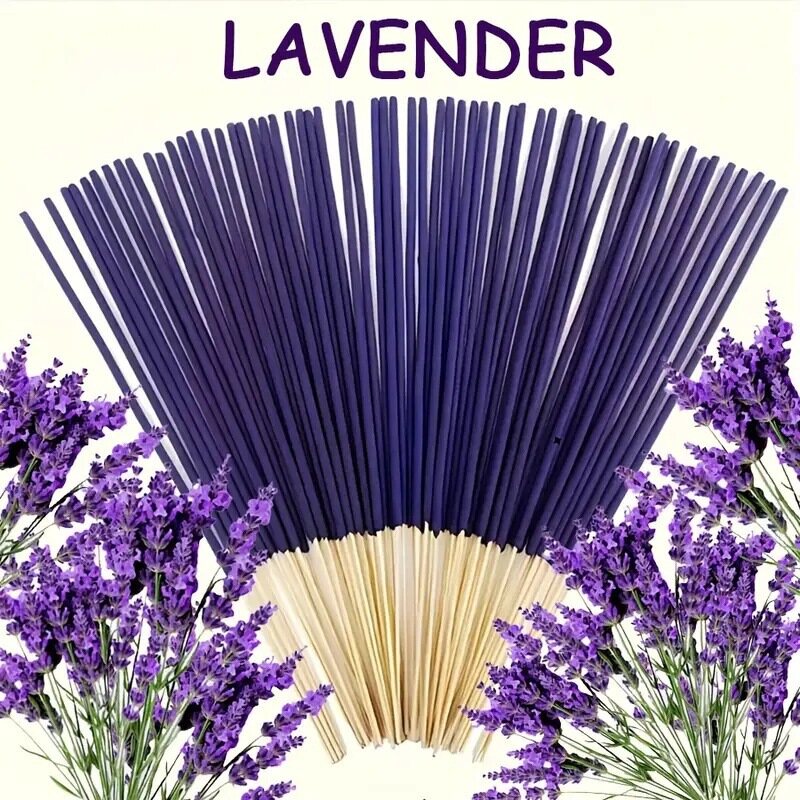
The cultural value of intangible cultural heritage of incense sticks
The story of the intangible cultural heritage of incense sticks goes far beyond the skills themselves. It connects the grand cultural landscape of sacrificial rituals, literati etiquette, traditional Chinese medicine health preservation, folk festivals (such as Mid Autumn Festival Pan Yun Xiang), and even international trade (such as Yongchun Xiang). From the Song Dynasty's "Hundred Carved Fragrance Seals" to the recording by Li Shizhen in the "Compendium of Materia Medica" that incense can be used as medicine, and now becoming an elegant object for people to cultivate their nature and decorate their lives, this wisp of green smoke that has lasted for thousands of years has always been filled with the Chinese nation's longing for a better life, reverence for nature, and persistent inheritance of craftsmanship and culture.
Chinese traditional fragrance culture has a long history, with a rigorous and effective set of methods and standards in the establishment of fragrance formulas, the use of spices, compatibility and processing, and the production process.
The Nine Essentials of Fragrance Making ", namely" seeking, selecting, purifying, processing, researching, aging, blending, shaping, and fermenting ", systematically summarizes the key points of traditional fragrance making techniques.
More details, and welcome to reading


Comments
Post a Comment